
Why Priming is the Game-Changer Before Painting
If you’re planning to paint interior walls whether brand-new drywall or freshly repaired surfaces priming should always come first. Primer isn’t just an optional extra: it’s the foundation for a quality paint job.
Here’s what priming does for your walls:
- Creates a uniform base: Surfaces like new drywall, patched areas, or walls with stains can soak up paint unevenly. Primer seals the surface and provides a consistent base so paint goes on smoothly.
- Improves paint adhesion: A primer helps paint stick better, reducing risks of peeling, cracking, or early wear.
- Enhances color and coverage: Primer reduces the number of paint coats needed and ensures colors look true and even.
- Seals imperfections and stains: If walls have patches, repairs, water marks or discoloration a good primer can block stains, seal porous areas, and prevent them showing through topcoats.
Skipping primer may mean you’ll get blotchy paint, uneven finish, or weaker long-term results.
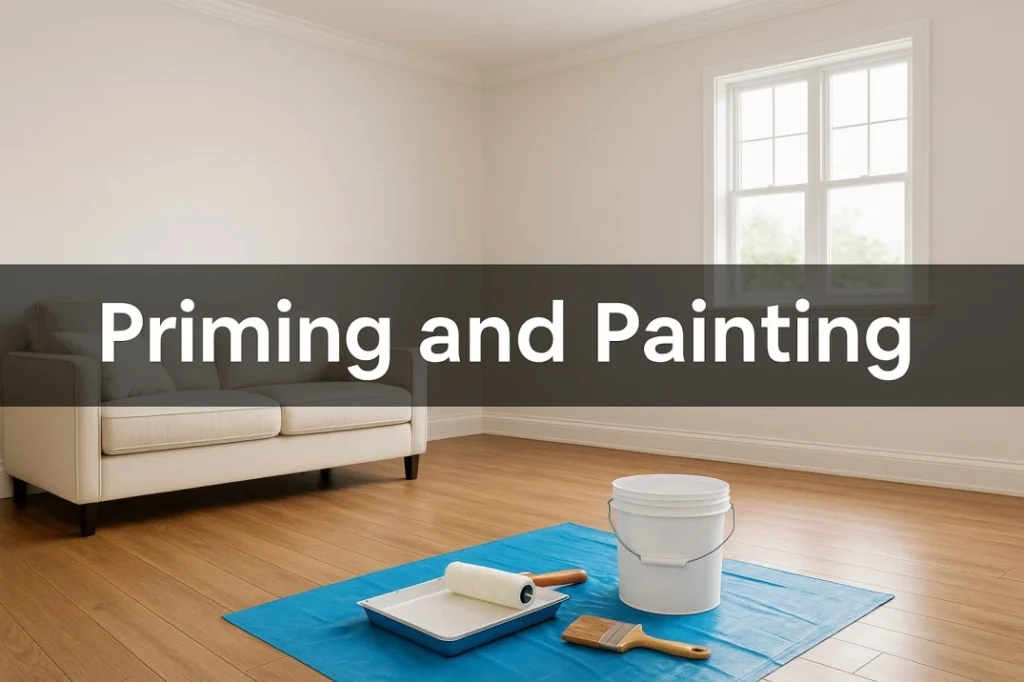
Best Practices: How to Prime & Paint Right
To ensure a professional-quality job, follow these steps:
1- Prepare the surface thoroughly
- Clean walls to remove dust, dirt, or grease. Even new drywall or recently patched walls benefit from a wipe‑down.
- Repair any cracks, holes or dents, sand smooth, and ensure surfaces are dry.
2- Choose the right primer
- For drywall or repaired wall surfaces, a drywall‑specific water‑based primer (like PVA primer) is ideal
- If covering stains, dark colors, or moisture-prone areas (bathrooms, kitchens), consider a stain‑blocking or moisture‑resistant primer.
- For drastic color changes (e.g., dark wall to light paint), a tinted or high‑hide primer helps coverage.
3- Apply primer correctly
- Use quality brushes or rollers. Start with edges and corners using a brush, then use a roller for larger surfaces.
- Apply an even thin coat avoid heavy application or runs.
- Let primer dry fully, following manufacturer’s instructions (often a few hours) before painting.
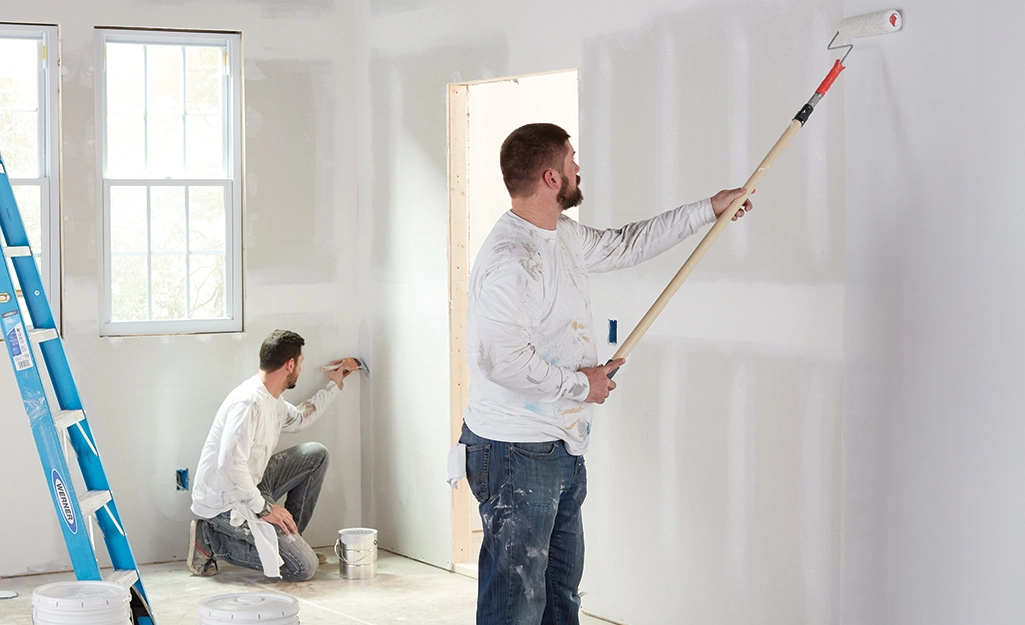
Benefits of Hiring Professionals for Priming & Painting
While many homeowners try DIY painting, hiring a professional painter or contractor offers advantages:
- Perfect surface prep & smooth finish: Professionals know how to prep surfaces, choose correct primer types, and apply evenly making walls look flawless.
- Time & convenience: What can take days DIY (prep, prime, sanding, painting, cleanup) – pros can manage efficiently.
- Durability & fewer mistakes: Proper priming + painting reduces peeling, uneven texture, and minimizes need for repainting soon.
- Complex jobs or high‑end finishes: For texture walls, large rooms, or specialty finishes (e.g. accent walls), professional work ensures consistency and quality.
In the long run, the extra cost of hiring an expert often pays off in durability, less touch-up, and better aesthetics.
Final Thoughts: Invest in Priming It’s Worth It
Priming may feel like an extra step but when it comes to painting walls, it’s often the difference between average results and a professional‑looking finish. It improves paint adhesion, enhances color, seals imperfections, and prolongs the life of your paint job.
Whether you’re repainting a room, finishing a new build, or refreshing a damaged wall, don’t skip the primer. A well-primed surface sets the stage and good painting delivers the masterpiece.
If you’re in Kelowna or elsewhere and looking for reliable priming and painting services or want expert tips for DIY this guide gives you everything you need to know.